
Not Every Game Needs a Tape Measure
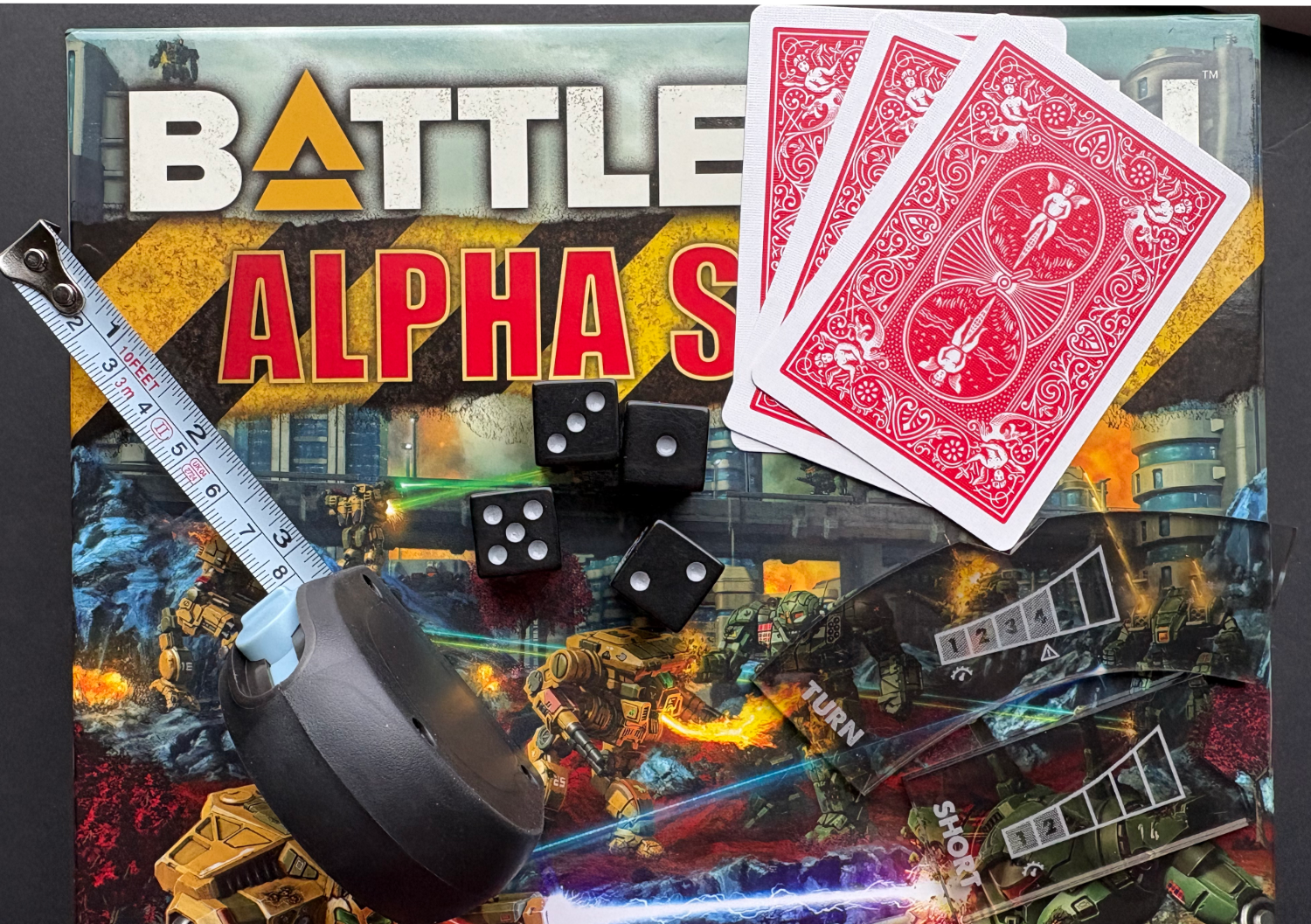
Movement is, in my opinion, the most important mechanic in any tabletop game. It defines the feeling of a game more than almost any other game mechanic. I’ve been thinking about this a lot lately because so many games just expect you to get a tape measure and then just move your model. So I went looking for movement systems that don't get talked about enough.
The Gold Standard: A Tape Measure
This is the baseline. You get to move X inches, you move in any direction you want. Warhammer, Frostgrave, Mordheim and so on use this as their movement mechanic. It’s very intuitive and it works. It does the thing while being almost invisible as a mechanic.You never really feel like you do anything. You just move?
Honestly it’s a great way to handle movement. That’s why it’s the gold standard for basically all tabletop games. Love it or hate its a core part of the gaming community and will be for as long as tabletop games are played.
Grid Movement: Squares or Hexes
Games like Halo Flashpoint, and Battletech use this style of movement. You know exactly where you can go and far you can go. For this style of game, units usually have a move value of some sorts and that dictates how many squares or hexes you can move. It’s a fast, clean way of handling movement. No tape measure and debates of how many inches you moved.
I think for a game you want to feel fast paced this is a great way to handle it. There isn’t a ton of thinking allowing players to focus more of playing the game than where they are going. For games like Halo Flashpoint and Battletech this is great. For Halo Flashpoint, you want the players to feel like they are jumping all over the map and the sky is limit just like the video game. Battletech is big stompy robots, and the scale of the hexes relative to the models actually sells that feeling. You feel large. You feel slow and heavy in the best way.
Gaslands: Templates
When it comes to Gaslands, this is a prime way of turning movement in a feeling. You’re driving cars, so you want to feel like you are making a tight turn, or a drift. You’re not just moving a model, you’re committing to a maneuver. Before you even roll a die, you've already committed. That's the tension.
Gaslands with a tape measure would be awful. You would lose so much of the feeling of the game with just this one simple switch. Here's the thing though - what is stopping more games from using templates? I personally think you could try templates for tabletop games outside of just cars. It’s just a thought.
SPACEGITS: Scattered Dice
For those who don't know, in SPACEGITS you play as drunk orcs. So you roll 3d6 on to the table, those dice land where they land and then you proceed to drunkly move your orc. The number of inches is shown on the dice and you travel to them one at a time. The dice tell you where to go and you have zero control over direction. It’s chaotic, funny and on theme. It’s part of the games feeling.
II don't know about anyone else, but I have to say — this is 100% the correct way to handle a movement system based around drunk orcs walking around. If you are looking for a chaotic way to have players experience movement this is perfect. Imagine playing something like Blood Bowl with this movement system. Would it work? No idea but it seems like a fun thing to try right?
52Sails: Playing Cards
I designed a game called 52Sails, a pirate themed naval skirmish game. I wanted movement to feel restrictive without players having to manage a wind gauge. A standard playing card is 3.5 inches long. Most movement in skirmish games is 4 inches — close enough to commit to. Cards do double duty here — movement and combat — so every inch you move is a resource you could've spent somewhere else. You're not just getting from A to B, you're spending manpower to get there. It's my version of a tape measure, with a little bit of template DNA, and a whole lot of restriction built in.
These are just some games that I found that handle movement slightly different than the standard tape measure. Movement doesn’t have to be all about going from point A to B. Whether it’s a template locking you into a bad turn, or burning your best card just to reach an objective. It can be a journey, a core function of the game. How you move can be part of the feeling of your game.
So the next time you pick up a tape measure, ask yourself — what if this was a template or scattered dice?
If you found this useful or just want to follow along, sign up below. I write about game design, my wins, my failures, and everything in between.